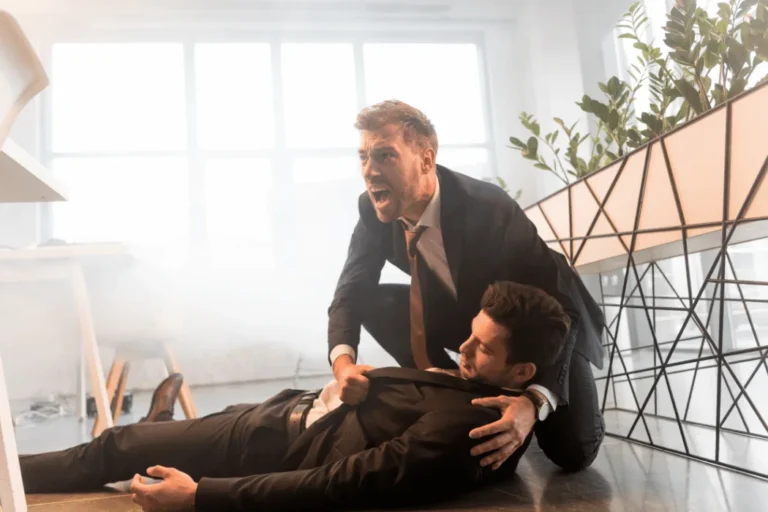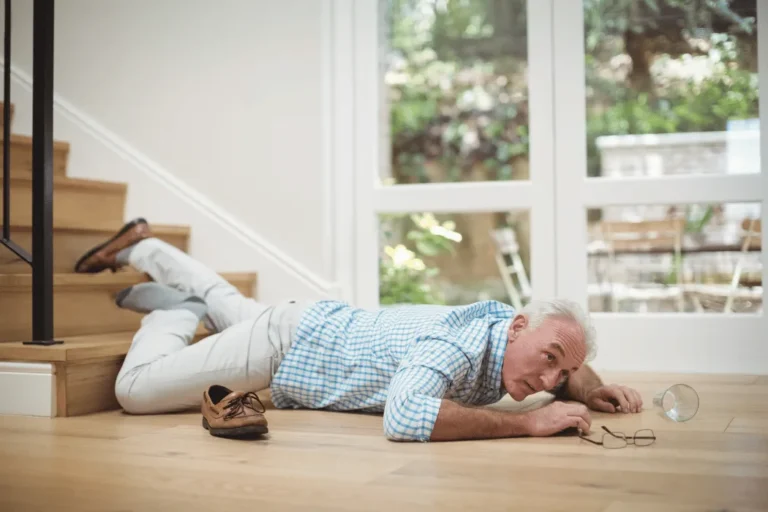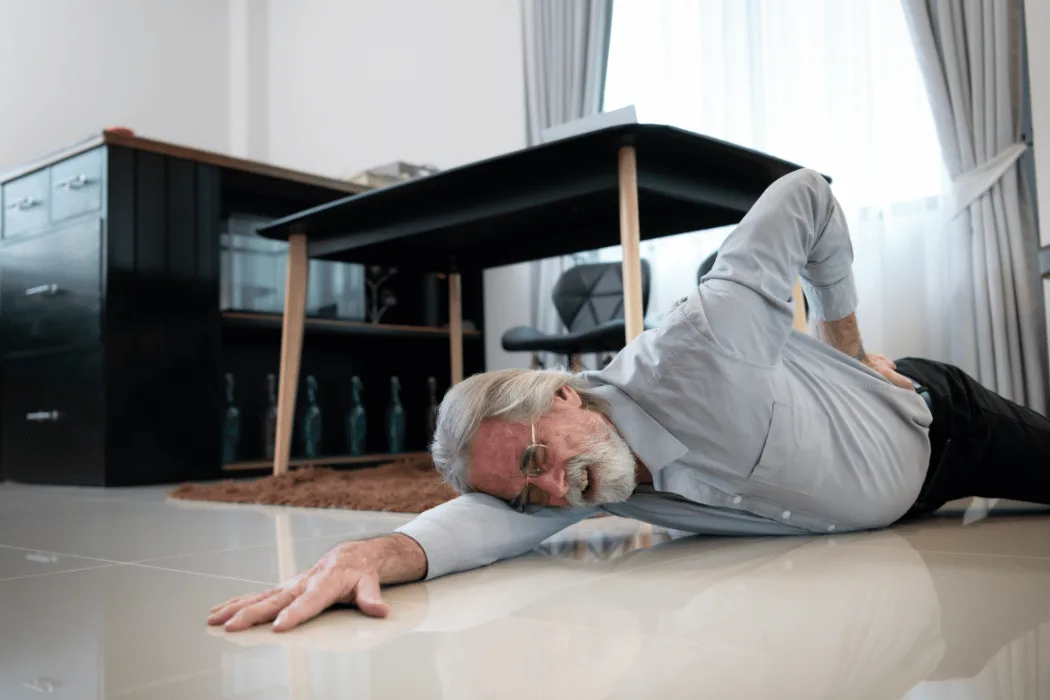
Slip and fall accidents are among the most frequent causes of personal injuries across residential, commercial, and public spaces. While often perceived as minor incidents, these accidents can lead to serious physical harm, emotional distress, and financial burdens. From fractures and head injuries to long-term disabilities, the consequences can significantly affect a person’s quality of life. Understanding the causes, legal implications, and preventive measures is essential for minimizing risks and ensuring accountability.
Common Causes of Slip and Fall Accidents
Slip and fall incidents typically occur due to unsafe or poorly maintained conditions. One of the most common causes is wet or slippery floors. Spills in supermarkets, recently mopped surfaces without warning signs, or water tracked in during rainy weather can create dangerous walking conditions.
Uneven surfaces are another major contributor. Cracked sidewalks, broken tiles, loose floorboards, and damaged carpets can easily disrupt balance and cause falls. Similarly, poorly maintained staircases with broken handrails or uneven steps increase the likelihood of accidents.
Inadequate lighting also plays a significant role. Dimly lit hallways, stairwells, or parking areas can prevent individuals from identifying hazards in their path. Cluttered walkways, exposed wires, and obstacles left in common areas further increase the risk.
Weather-related conditions, such as rain, mud, or ice (in colder regions), can also make surfaces slippery and hazardous. In many cases, accidents occur not because of a single factor, but due to a combination of unsafe conditions and lack of proper maintenance.
Understanding Premises Liability
Slip and fall accidents fall under the legal category of premises liability. This area of law holds property owners and occupiers responsible for maintaining safe environments for visitors. Whether it is a retail store, office building, apartment complex, or private residence, the owner has a duty of care to ensure that the property is reasonably safe.
This duty includes regularly inspecting the premises, repairing hazards promptly, and providing adequate warnings for potential dangers. For example, if a floor has been recently cleaned, placing a visible warning sign is necessary to alert visitors.
Visitors are generally classified into three categories: invitees, licensees, and trespassers. Invitees, such as customers in a store, are owed the highest duty of care. Property owners must actively inspect and maintain the premises for their safety. Licensees, such as social guests, are also entitled to a reasonably safe environment. While the duty toward trespassers is limited, property owners are still required to avoid intentional harm or gross negligence.
Establishing Liability in Slip and Fall Cases
To hold a property owner legally responsible for a slip and fall accident, certain elements must be proven. First, it must be established that the property owner owed a duty of care to the injured person. Second, there must be evidence that this duty was breached due to negligence.
Negligence may involve failing to clean up a spill, ignoring a known hazard, or not conducting regular inspections. It must also be shown that the hazardous condition directly caused the injury. Finally, the injured party must demonstrate that they suffered damages, such as medical expenses, lost income, or pain and suffering.
For instance, if a customer slips on a wet floor in a store where no warning sign was placed, and the spill had been present for an unreasonable amount of time, the property owner may be held liable for negligence.
Types of Injuries Resulting from Slip and Fall Accidents
The injuries sustained in slip and fall accidents can vary widely depending on the circumstances. Common injuries include fractures, particularly in the wrists, arms, and hips. Head injuries, including concussions and traumatic brain injuries, are also frequent and can have long-term effects.
Spinal cord injuries may result in chronic pain or reduced mobility, while soft tissue injuries, such as sprains and strains, can limit daily activities. In severe cases, slip and fall accidents can lead to permanent disability, significantly impacting a person’s ability to work and maintain independence.
Prevention Strategies for Property Owners
Preventing slip and fall accidents is not only a legal responsibility but also a moral obligation for property owners. Regular maintenance is essential to ensure that all areas are safe and free from hazards. This includes promptly repairing damaged flooring, fixing broken handrails, and ensuring that walkways are clear of obstacles.
Proper lighting should be installed in all areas, especially staircases, hallways, and parking lots. Warning signs should be used to alert visitors to temporary hazards, such as wet floors or ongoing repairs. Additionally, implementing routine inspections can help identify and address potential risks before they lead to accidents.
Safety Tips for Individuals
While property owners bear the primary responsibility for maintaining safe environments, individuals can also take steps to reduce their risk of falling. Wearing appropriate footwear with good traction can help prevent slips, especially on smooth or wet surfaces.
Staying alert while walking is equally important. Avoiding distractions such as mobile phones and being mindful of surroundings can make a significant difference. Using handrails on staircases and taking extra caution in unfamiliar or poorly lit areas can further enhance safety.
The Importance of Legal Guidance
When a slip and fall accident occurs due to negligence, seeking legal guidance is crucial. An experienced attorney can evaluate the details of the case, gather evidence, and determine liability. They can also assist in negotiating with insurance companies and pursuing fair compensation for damages.
Legal professionals play a vital role in ensuring that victims are not left to bear the financial burden of someone else’s negligence. Compensation may cover medical expenses, lost wages, rehabilitation costs, and pain and suffering.
Conclusion
Slip and fall accidents are more than just unfortunate incidents—they are often preventable events caused by unsafe conditions and lack of proper maintenance. Understanding the causes, legal responsibilities, and preventive measures can help reduce the occurrence of such accidents and promote safer environments.
At ROG INJURY LAWYER LIST, we are committed to raising awareness about premises liability and supporting individuals in finding experienced legal professionals. By prioritizing safety and accountability, we aim to ensure that victims receive the guidance and justice they deserve.
About the Author